Rising Fuel Is Reopening the Rail Conversation
Rising fuel costs are starting to do more than pressure trucking margins. They are also changing how mode decisions look in real time. As diesel moves higher, rail becomes easier to justify on lanes where transit can still meet the service requirement, especially for freight that is less time-sensitive or already moving in an intermodal-friendly network.
That does not mean rail automatically wins the freight. Service still matters, and many shippers will not trade away reliability or visibility just because trucking becomes more expensive. But the economics are shifting enough to make intermodal conversations more active again. On some lanes, higher fuel creates a wider gap between truck and rail cost structures. On others, it may simply be enough to push a shipper to revisit a routing strategy that was previously dismissed.
There is also a second-order effect worth watching. When fuel volatility squeezes smaller carriers and weakens their ability to absorb cost shocks, capacity can leave the truckload market faster than demand alone would suggest. That tends to change procurement dynamics quickly. What looks like a manageable truck market can become a more selective one, particularly when disruption is layered on top of already-tight equipment or driver availability in key regions.
For shippers, this is less about making a wholesale shift and more about identifying where optionality exists. Lanes with stable forecasts, flexible delivery windows, and strong dray support may deserve another look. In an environment like this, mode diversification is not just about savings. It is about preserving options before the market forces a decision under less favorable conditions.
Pressure Is Building Across Food Supply Chains
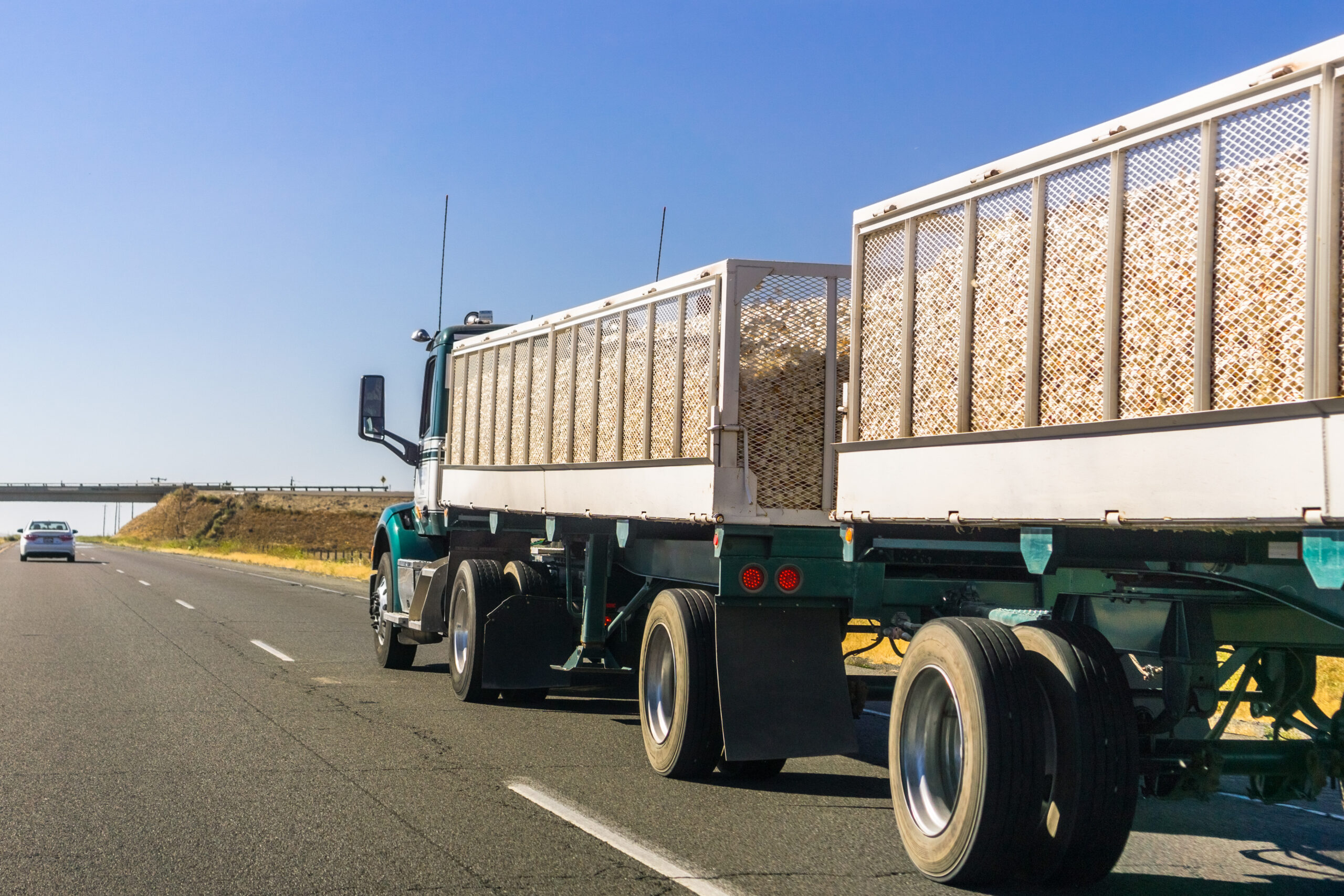
The Middle East conflict is being discussed mostly through the lens of energy, but the operational implications for food supply chains may prove just as important. Fertilizer, fuel, refrigeration, and transportation are tightly linked, so disruption in one part of the system quickly affects the rest. That is especially relevant heading into a period when agricultural inputs and seasonal planning decisions are already time-sensitive.
For food shippers, the immediate concern is not simply whether product moves. It is whether the cost base under future production becomes less predictable. Fertilizer availability matters well before harvest. If global supply is delayed, rerouted, or repriced, growers and processors can face different planting, sourcing, and purchasing decisions that eventually ripple into packaged food, feed, produce, and cold chain planning. The effect may not hit every category at once, but it can widen procurement risk and complicate forward inventory decisions.
Transportation adds another layer. Higher fuel costs raise the expense of moving raw inputs, refrigerated freight, and finished goods. If ocean and inland networks are both absorbing energy-related pressure at the same time, shippers may see more volatility in landed cost and replenishment timing even when consumer demand is relatively stable.
This is the kind of disruption that tends to surface gradually and then compound. Food supply chains often look stable until several smaller constraints start landing at once. For shippers, the practical response is to pay closer attention to sourcing flexibility, replenishment cadence, and where backup capacity may be needed before seasonal pressure intensifies.
Trailer Storage Is Becoming a Quiet Signal of Network Stress
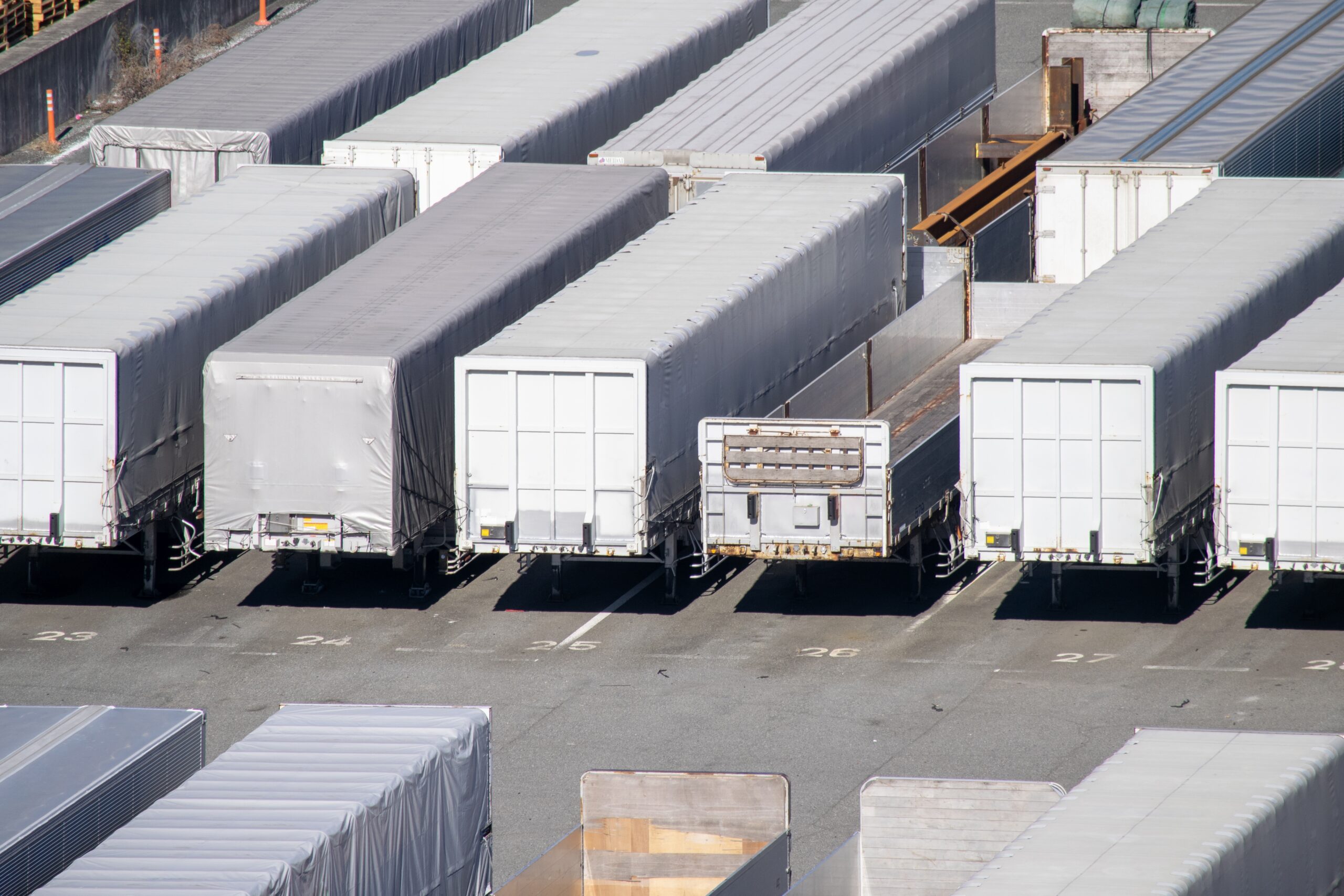
One of the more interesting signs in the market right now is the rise in trailer storage demand. On the surface, it looks tactical. In practice, it often points to something broader. When shippers turn to trailers for overflow storage, staging, or short-term network flexibility, it usually means fixed infrastructure is no longer matching the pace or pattern of freight movement.
That matters in the current environment because several forces are colliding at once. Tariff uncertainty is encouraging inventory repositioning. Nearshoring and cross-border growth are concentrating activity in specific corridors. At the same time, many companies still want to stay flexible rather than lock themselves into long warehouse commitments too early. A trailer can serve as a much faster answer when inventory needs to move, pause, or buffer around production and border variability.
For shippers, that trend is worth taking seriously because it often shows up before more visible network friction does. A heavier reliance on mobile storage can signal that yard strategy, warehouse planning, or cross-border handoff points need to be rethought. It can also create new operational risks if the trailer becomes a workaround rather than part of a designed process. Dwell time, visibility, cargo integrity, and asset availability all become more important when storage is moving outside the four walls.
Used well, trailer storage can add resilience. It can help absorb timing mismatches, support surge inventory, and create breathing room in volatile corridors. But when demand for it rises broadly, that usually says something bigger about how supply chains are being reshaped. In that sense, trailer storage is not just a real estate workaround. It is a market signal.
Fuel Tightness in Asia Won’t Stay Local for Long
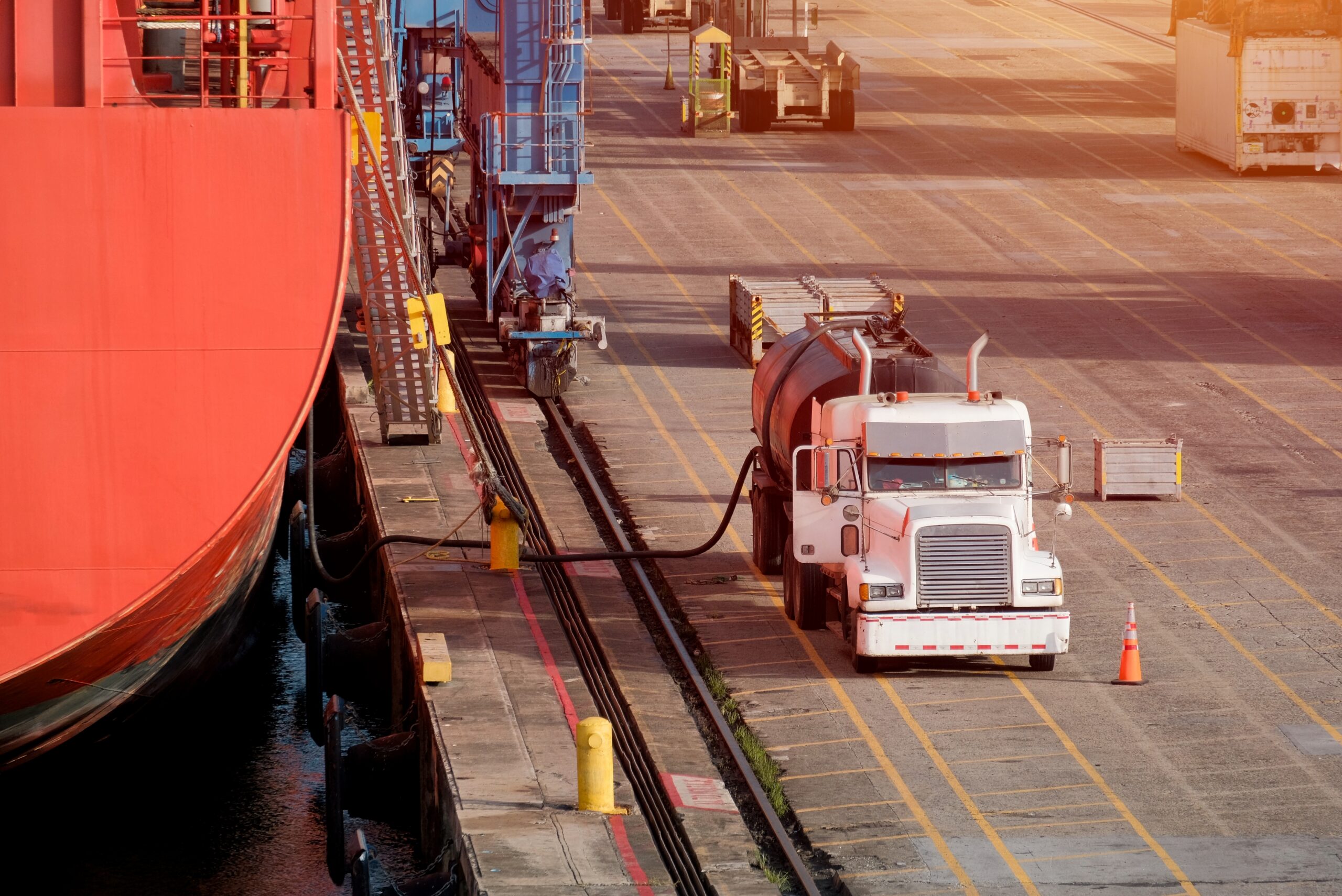
Bunker fuel constraints in Asia are becoming more than a cost issue. They are starting to affect how vessels plan, where they refuel, and how reliably schedules hold together through major trade lanes. Once marine fuel gets tighter at key hubs, the impact spreads quickly because ocean networks are built around connected rotations, not isolated port calls.
For shippers, the practical takeaway is that higher bunker costs do not just show up as a surcharge line item. They can contribute to longer lead times, more schedule changes, and growing pressure on carrier network decisions. When vessels have to adjust fueling patterns or face longer waits at major hubs, the downstream effects can include bunching, missed windows, and less predictable equipment positioning. Even cargo far from the original disruption can feel the consequences.
This is especially important in a market where many networks were already operating with limited room for error. Add conflict-related risk, elevated insurance costs, and fuel-driven surcharge activity, and the result is a more fragile planning environment for importers. Ocean service may continue, but continuity is not the same as stability. Shippers still need to account for variability in transit and handoff timing, especially if inventory strategies were built around tighter replenishment assumptions.
The bigger lesson is that ocean volatility is not only about vessel space. Energy markets, refueling hubs, and route decisions all shape service performance. When bunker availability becomes part of the problem, it raises the odds that cost pressure and schedule risk move together rather than separately.

Rising Diesel Is Pushing Up the Trucking Rate Floor
Truckload pricing still is not behaving like a fully tight market across the board, but diesel is making it harder for rates to drift lower. When fuel rises this quickly, it changes the math for carriers almost immediately. Even if freight demand is only showing modest improvement, the cost side of the equation can still force pricing discipline into the market.
That matters because fuel pressure tends to hit smaller carriers first. Larger fleets may have more tools to absorb short-term volatility, but smaller operators often have less room to wait for the market to catch up. If enough capacity pulls back, rejects unattractive freight, or becomes more selective about where it runs, rate support strengthens even without a dramatic freight surge. That can create a floor under pricing faster than many shippers expect.
There are signs this is happening alongside a market that was already moving off its lows. Spot strength has improved in some equipment types, and several market watchers have pointed to tightening supply-demand conditions after a long downcycle. Diesel does not need to be the only catalyst to matter. In a market that was already turning, it can accelerate the shift.
For shippers, the implication is straightforward. Budget assumptions based on a soft truckload environment may need to be revisited, particularly on lanes with weaker routing guide performance, specialized equipment needs, or exposure to weather and regional imbalance. Fuel is no longer just a surcharge conversation. It is becoming part of the broader capacity story again.